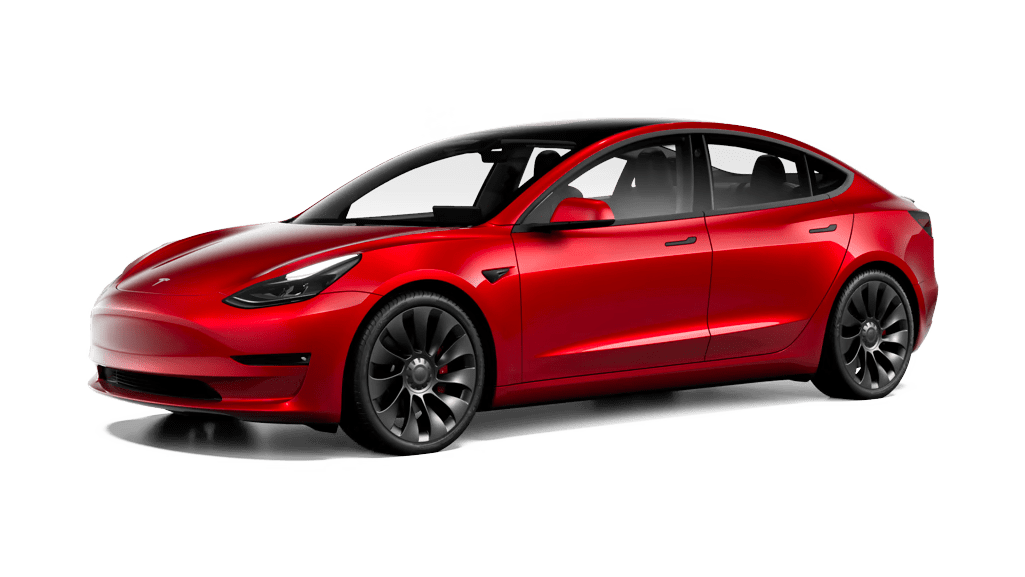
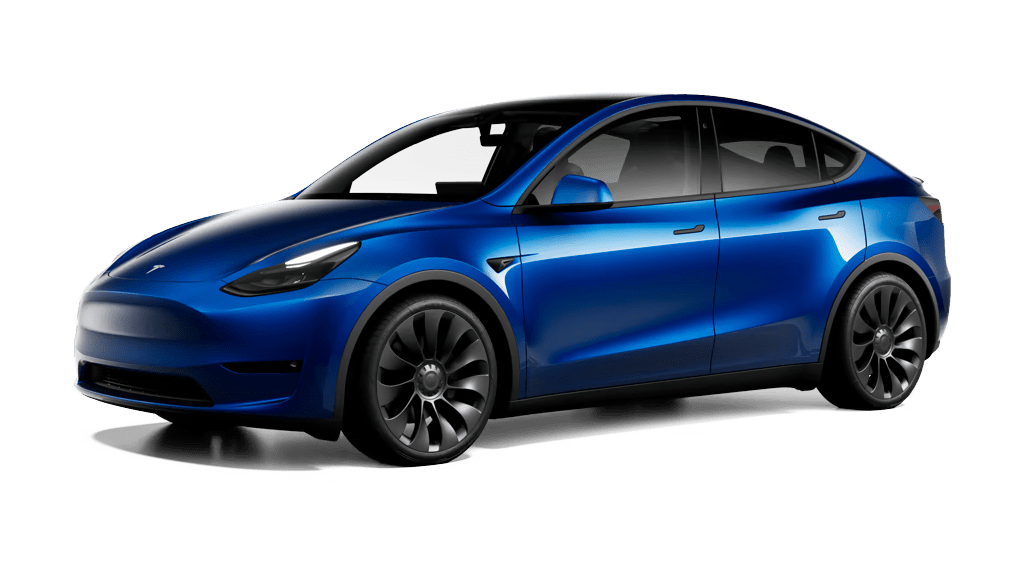

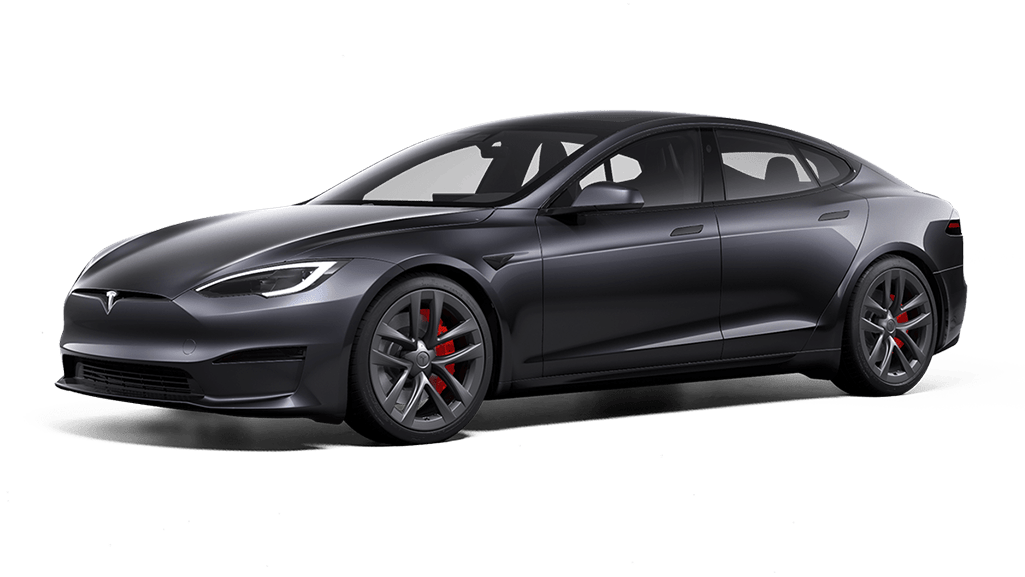
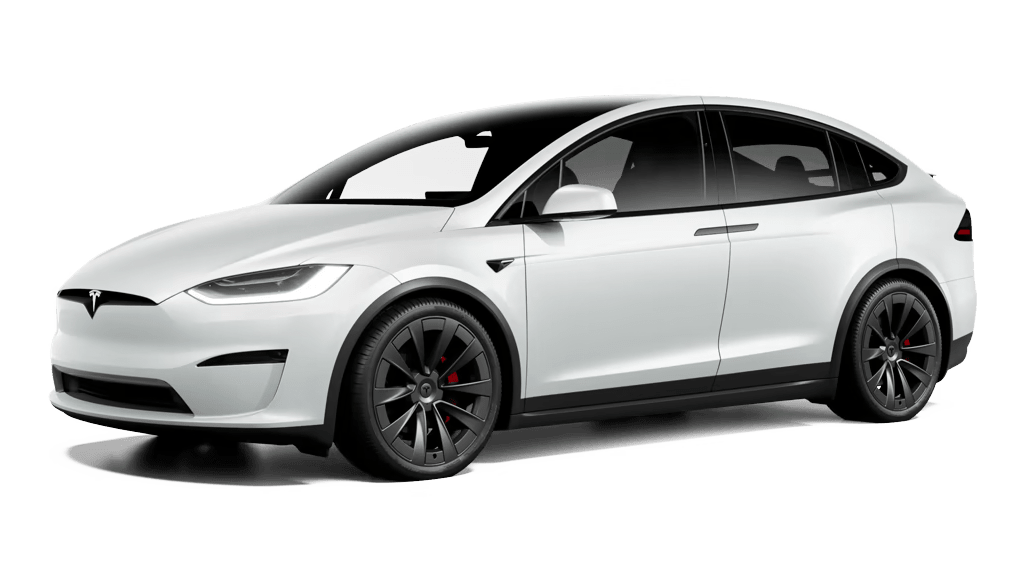





The Safest Crash Is No Crash
All Tesla vehicles are equipped with safety features that can help anticipate or avoid accidents.
Our technology is only getting better, making Tesla vehicles the safest in the world. Learn More

Engineered to Protect Everyone
Certain safety features may not be available in all regions or for all vehicles based on build date.
Safety is at the center of every product we build. This is why safety features are included in every vehicle we produce—all with the goal of making our roads as safe as possible for everyone on them. Learn More
All Tesla vehicles are equipped with safety features that can help anticipate or avoid accidents.
Our technology is only getting better, making Tesla vehicles the safest in the world. Learn More
Our global fleet of 8.6 million vehicles is actively generating anonymous data from real-world driving scenarios, experiencing more in one minute than a person can experience in one lifetime.
We turn these learnings into safety improvements and share them with all Tesla vehicles through free over-the-air software updates.
All Tesla models have received five-star safety ratings from the National Highway Traffic Safety Administration.1
We design each vehicle to exceed the standards of each safety category, redefining what safety on our roads should look like to achieve a very low probability of occupant injury.
When hardware and software systems are designed together, they work together.
We engineer each element of our safety systems for complete integration from the beginning—and this level of integration results in improved real-world safety.

Safety starts as soon as you step inside your Tesla.
When you begin your drive, your seat position and mirror preferences automatically adjust to your Driver Profile. Shift into Drive or Reverse and your Tesla will activate your external cameras to show you what’s around your vehicle and how close it is as you move out of your parking spot and onto the road. If an object is detected, you’ll hear a chime.
Once you’re on the road, your Tesla will monitor your driving and use chimes and vibrations to help you stay in your lane, keep to the speed limit and know if there is a pedestrian, object or other vehicle in your blind spots. It can even detect and alert you when it notices you getting drowsy in the driver’s seat.
Repark your vehicle using cameras and Park Assist. Blind spot monitoring also helps when you’re opening your door—alerting you and pausing before opening if an object, person or cyclist is approaching.
When you leave, Child Left Alone Detection will set off an alarm if anyone is still inside. Phone Left Behind will chime if you close your door with a phone key left inside. Sentry Mode will watch your vehicle while you’re gone.
While you’re driving, active safety features like Forward Collision Warning and Emergency Braking can alert you or take action before things go wrong, helping to prevent accidents or reduce their severity.
Forward Collision Warning uses your vehicle’s front cameras to see if you’re approaching an object, pedestrian or other vehicle too quickly. If a collision is considered likely unless you take immediate corrective action, you’ll hear a warning sound and the vehicle or object in front of you will appear in red on your touchscreen.
If you aren’t taking action and a collision appears to be imminent, your Tesla will activate Automatic Emergency Braking to reduce torque and apply the brakes for you to slow your speed and reduce the severity of impact.
If you’re driving over 31 mph and have hit the brakes suddenly, the Dynamic Brake Lights feature will flash your brake lights quickly to warn other drivers that your vehicle is rapidly slowing down, so they have more time to react, too.

Safety doesn’t stop after a crash.
When a serious collision is detected, your hazard lights will turn on to increase your visibility and doors will automatically unlock for emergency access. At the same time, your Tesla will automatically contact emergency services to get help to you as quickly as possible.
Tesla vehicle structures are designed to cushion and protect the battery in the event of an accident. Onboard systems will automatically disconnect the high-voltage battery upon impact. If a battery fire does occur, the battery pack is designed to spread heat away from the cabin to protect occupants.
Dashcam clips include details like date, time, driving speed and Self-Driving status. Impact data from crashes is sent to Tesla and used by our safety engineering team to improve and develop new and existing safety features.2 These learnings and developments are then shared with every Tesla vehicle in our global fleet through over-the-air software updates—so your Tesla gets better and safer over time.

1 Tesla vehicles have earned five-star safety ratings from the National Highway Traffic Safety Administration's (NHTSA's) New Car Assessment Program, European New Car Assessment Programme and Australasian New Car Assessment Program. Ratings for each vehicle trim and model year may vary. Not all vehicle trims and model years have been tested by the agencies.
2 Data is anonymized and aggregated and requires sharing to be enabled.